 0 items
Detect Amine Blush Before Recoating Epoxy Surfaces
Rapid identification of amine blush on cured epoxy coatings
The Elcometer 139 Amine Blush Test Kits provide a clear method for determining whether amine blush (carbamates) is present on the surface of an amine-cured epoxy coating. Detecting this contamination before applying another coat is important because carbamates left on the surface can contribute to inter-coat adhesion failure.
Amine blush is not always readily visible. When it can be seen, it may appear as a thin, spotty or greasy film ranging from white to amber. The Elcometer 139 provides a more reliable way to determine whether the contamination is present before deciding whether an epoxy surface is ready for recoating.
Why does amine blush form?
Amine blush can occur on amine-cured epoxy coatings, particularly when curing takes place under conditions of low ambient temperature and/or high humidity. Amines migrating to the coating surface can react with carbon dioxide (CO₂) in the atmosphere, resulting in the formation of carbamates on the surface.
If this film is not identified and removed before another coating is applied, it can interfere with adhesion between coating layers. Testing is therefore useful both when determining whether an epoxy coating can be safely overcoated and when investigating an existing inter-coat adhesion problem.
Two test methods for field or laboratory use
The Elcometer 139 is available in two configurations, allowing the test method to be selected according to the inspection environment.
Elcometer 139/A Amine Blush Swab Test Kit
The Elcometer 139/A is designed as a field-based test. A swab sample is taken directly from the coating surface and tested using the supplied solutions. The test provides a visual indication to help determine whether amine blush is present.
Elcometer 139/C Amine Blush Chip Screen Test Kit
The Elcometer 139/C is a rapid colorimetric screening test using small chips or shavings removed from the coating. The coating sample can be tested in an office or laboratory environment. The presence of amine blush is indicated by a visible colour change in the test solution when compared with a control sample.
Useful before recoating and for coating failure investigation
The Elcometer 139 is particularly valuable when an amine-cured epoxy is part of a multi-coat protective coating system. Testing the existing coating before recoating can identify contamination that might otherwise compromise adhesion of the next layer.
The test can also assist during coating failure investigations. When an epoxy coating has not been successfully overcoated, checking for amine blush can help determine whether surface carbamates may have contributed to the adhesion problem.
Key Features
- Detects the presence or absence of amine blush (carbamates) on coating surfaces
- Helps assess amine-cured epoxy surfaces before recoating
- Can help investigate potential causes of inter-coat adhesion failure
- Provides a clear visual test indication
- Available as a field-based swab test or chip-screen test
- Useful where amine blush is difficult or impossible to identify visually
- Rapid colorimetric test method
- Designed specifically for coating surface cleanliness assessment
Available Elcometer 139 Test Kits
| Model | Test Method | Recommended Use |
|---|---|---|
| Elcometer 139/A | Amine Blush Swab Test | Direct field testing of the coating surface |
| Elcometer 139/C | Amine Blush Chip Screen Test | Testing coating chips or shavings in an office or laboratory |
Elcometer 139/C Chip Screen Test Kit Specifications
| Part Number | E139—-C |
|---|---|
| Description | Elcometer 139 Amine Blush Chip Screen Test Kit |
| Test Type | Rapid colorimetric screening test |
| Sample | Small coating chips or shavings |
| Result | Visual colour change compared with a control sample |
| Dimensions | 172 × 110 × 100 mm (6.75 × 4.25 × 4.00 in) |
| Weight | 310 g (10.9 oz) |
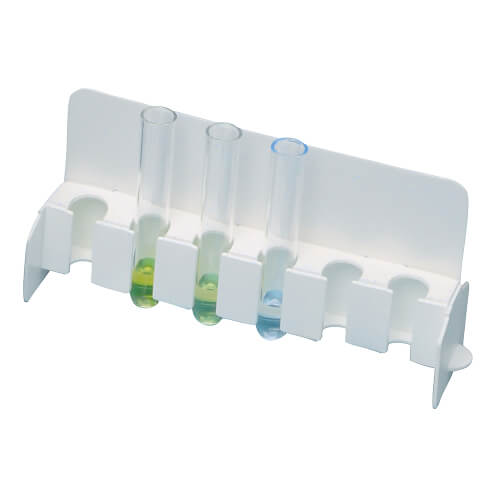
| Optional Accessory | T13923546 Test Tube Stand |
Elcometer 139/C Packing List
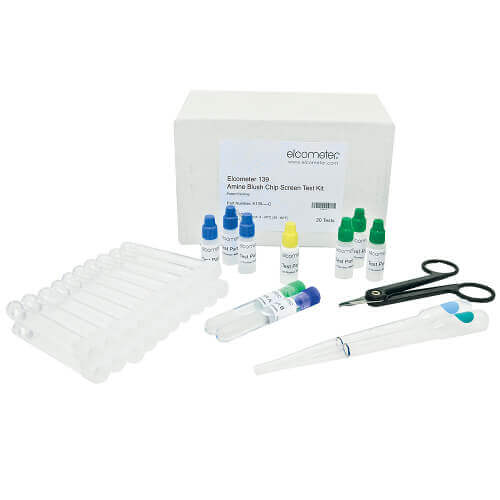
- 20 polystyrene sampler test tubes containing 1.0 ml (0.035 fl oz) buffer solution
- 1 test tube of Diluent Part A solution
- 1 test tube of Diluent Part B solution
- 2 diluent transfer pipettes
- 3 Test Part A dropper bottles containing freeze-dried ACh-E powder
- 3 Test Part B dropper bottles containing freeze-dried ATC powder
- 1 Test Part C dropper bottle containing Chromogen DTNB solution
- Scissors
- Re-sealable plastic bag for content disposal
- User guide
Q&A
Why should an epoxy coating be tested for amine blush before recoating?
Amine blush consists of carbamates that can form on the surface of an amine-cured epoxy. If this contamination remains on the surface, it can interfere with adhesion of the next coating layer and contribute to inter-coat failure.
Can amine blush always be identified by looking at the coating?
No. Amine blush is not always visible to the naked eye. When visible, it can appear as a thin, spotty or greasy layer ranging from white to amber, which is why a dedicated test can be valuable before recoating.
What is the difference between the Elcometer 139/A and 139/C kits?
The Elcometer 139/A uses a swab method intended for field testing directly on the coating surface. The Elcometer 139/C uses small coating chips or shavings and is suitable for testing in an office or laboratory environment.
Does the Elcometer 139 measure how much amine blush is present?
No. The Elcometer 139 is designed to indicate whether amine blush is present or absent; it is not a quantitative measurement of the amount of carbamate contamination.
When is amine blush most likely to develop?
Amine blush can occur when amine-cured epoxy coatings cure under unfavorable environmental conditions, particularly low ambient temperatures and/or high humidity.
Can the Elcometer 139 be useful after a coating adhesion failure has already occurred?
Yes. In addition to pre-recoating inspection, amine blush testing can be useful when investigating why an epoxy coating could not be successfully overcoated and whether surface contamination may have contributed to the adhesion failure.
Download Data Sheet Download Additional Product-Related Material Download Instruction Manual
Amine Blush Swab Test Kit – Elcometer 139
Amine Blush Chip Screen Test Kit – Elcometer 139
Detect Amine Blush Before Recoating Epoxy Surfaces
Rapid identification of amine blush on cured epoxy coatings
The Elcometer 139 Amine Blush Test Kits provide a clear method for determining whether amine blush (carbamates) is present on the surface of an amine-cured epoxy coating. Detecting this contamination before applying another coat is important because carbamates left on the surface can contribute to inter-coat adhesion failure.
Amine blush is not always readily visible. When it can be seen, it may appear as a thin, spotty or greasy film ranging from white to amber. The Elcometer 139 provides a more reliable way to determine whether the contamination is present before deciding whether an epoxy surface is ready for recoating.
Why does amine blush form?
Amine blush can occur on amine-cured epoxy coatings, particularly when curing takes place under conditions of low ambient temperature and/or high humidity. Amines migrating to the coating surface can react with carbon dioxide (CO₂) in the atmosphere, resulting in the formation of carbamates on the surface.
If this film is not identified and removed before another coating is applied, it can interfere with adhesion between coating layers. Testing is therefore useful both when determining whether an epoxy coating can be safely overcoated and when investigating an existing inter-coat adhesion problem.
Two test methods for field or laboratory use
The Elcometer 139 is available in two configurations, allowing the test method to be selected according to the inspection environment.
Elcometer 139/A Amine Blush Swab Test Kit
The Elcometer 139/A is designed as a field-based test. A swab sample is taken directly from the coating surface and tested using the supplied solutions. The test provides a visual indication to help determine whether amine blush is present.
Elcometer 139/C Amine Blush Chip Screen Test Kit
The Elcometer 139/C is a rapid colorimetric screening test using small chips or shavings removed from the coating. The coating sample can be tested in an office or laboratory environment. The presence of amine blush is indicated by a visible colour change in the test solution when compared with a control sample.
Useful before recoating and for coating failure investigation
The Elcometer 139 is particularly valuable when an amine-cured epoxy is part of a multi-coat protective coating system. Testing the existing coating before recoating can identify contamination that might otherwise compromise adhesion of the next layer.
The test can also assist during coating failure investigations. When an epoxy coating has not been successfully overcoated, checking for amine blush can help determine whether surface carbamates may have contributed to the adhesion problem.
Key Features
- Detects the presence or absence of amine blush (carbamates) on coating surfaces
- Helps assess amine-cured epoxy surfaces before recoating
- Can help investigate potential causes of inter-coat adhesion failure
- Provides a clear visual test indication
- Available as a field-based swab test or chip-screen test
- Useful where amine blush is difficult or impossible to identify visually
- Rapid colorimetric test method
- Designed specifically for coating surface cleanliness assessment
Available Elcometer 139 Test Kits
| Model | Test Method | Recommended Use |
|---|---|---|
| Elcometer 139/A | Amine Blush Swab Test | Direct field testing of the coating surface |
| Elcometer 139/C | Amine Blush Chip Screen Test | Testing coating chips or shavings in an office or laboratory |
Elcometer 139/C Chip Screen Test Kit Specifications
| Part Number | E139—-C |
|---|---|
| Description | Elcometer 139 Amine Blush Chip Screen Test Kit |
| Test Type | Rapid colorimetric screening test |
| Sample | Small coating chips or shavings |
| Result | Visual colour change compared with a control sample |
| Dimensions | 172 × 110 × 100 mm (6.75 × 4.25 × 4.00 in) |
| Weight | 310 g (10.9 oz) |
| Optional Accessory | T13923546 Test Tube Stand |
Elcometer 139/C Packing List
- 20 polystyrene sampler test tubes containing 1.0 ml (0.035 fl oz) buffer solution
- 1 test tube of Diluent Part A solution
- 1 test tube of Diluent Part B solution
- 2 diluent transfer pipettes
- 3 Test Part A dropper bottles containing freeze-dried ACh-E powder
- 3 Test Part B dropper bottles containing freeze-dried ATC powder
- 1 Test Part C dropper bottle containing Chromogen DTNB solution
- Scissors
- Re-sealable plastic bag for content disposal
- User guide
Q&A
Why should an epoxy coating be tested for amine blush before recoating?
Amine blush consists of carbamates that can form on the surface of an amine-cured epoxy. If this contamination remains on the surface, it can interfere with adhesion of the next coating layer and contribute to inter-coat failure.
Can amine blush always be identified by looking at the coating?
No. Amine blush is not always visible to the naked eye. When visible, it can appear as a thin, spotty or greasy layer ranging from white to amber, which is why a dedicated test can be valuable before recoating.
What is the difference between the Elcometer 139/A and 139/C kits?
The Elcometer 139/A uses a swab method intended for field testing directly on the coating surface. The Elcometer 139/C uses small coating chips or shavings and is suitable for testing in an office or laboratory environment.
Does the Elcometer 139 measure how much amine blush is present?
No. The Elcometer 139 is designed to indicate whether amine blush is present or absent; it is not a quantitative measurement of the amount of carbamate contamination.
When is amine blush most likely to develop?
Amine blush can occur when amine-cured epoxy coatings cure under unfavorable environmental conditions, particularly low ambient temperatures and/or high humidity.
Can the Elcometer 139 be useful after a coating adhesion failure has already occurred?
Yes. In addition to pre-recoating inspection, amine blush testing can be useful when investigating why an epoxy coating could not be successfully overcoated and whether surface contamination may have contributed to the adhesion failure.
Download Data Sheet Download Additional Product-Related Material Download Instruction Manual
Amine Blush Swab Test Kit – Elcometer 139
Amine Blush Chip Screen Test Kit – Elcometer 139